
17July 2026
How to Avoid Furniture Assembly Mistakes
Furniture assembly looks simple until the first misplaced panel, stripped screw, or wobbly frame shows up. The good news is that most problems are avoidable if you slow down, follow the instructions carefully, and pay attention to alignment, leveling, and hardware placement.
As someone who does furniture assembly as part of handyman work, I’ve seen how small mistakes can turn into bigger issues later. A job that is rushed or only “good enough” might look finished at first, but a professional assembly should be sturdy, square, safe, and built to last.
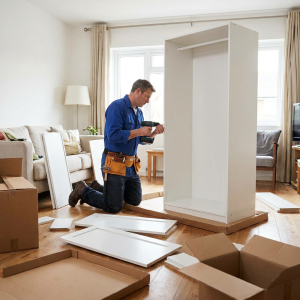
Why Furniture Assembly Goes Wrong
Most furniture assembly mistakes happen for the same reasons: people rush, skip steps, or assume a piece is obvious. That’s when panels get installed backward, hardware goes in the wrong holes, or parts are tightened before the frame is properly aligned.
Another common problem is overconfidence. Many flat-pack items look straightforward, but once you’re halfway through, one wrong move can affect the entire structure. I’ve seen this with beds, dressers, wardrobes, desks, shelving units, TV stands, and office furniture from brands like IKEA, Structube, Wayfair, and others.
The Mistakes I See Most Often
One of the most common mistakes is rushing through the instructions or skipping steps because the furniture seems simple. That often leads to parts being installed backward, panels flipped the wrong way, or hardware used in the wrong locations.
Another frequent issue is overtightening screws, bolts, and cam locks. On particleboard furniture especially, that can strip the hardware, damage the material, and weaken the piece over time.
I also see furniture assembled on uneven surfaces, which can throw off alignment and cause drawers, doors, and shelves to fit poorly. If the unit is not square and level during assembly, the problems usually show up later in the form of wobbling, sagging, or sticking doors.
The most serious mistakes are the ones that affect safety and structure:
-
Failing to fully secure key structural components.
-
Not checking for square and level during assembly.
-
Skipping wall anchors for dressers, bookcases, and wardrobes.
Those issues can lead to tip-over hazards, premature wear, and repeated repairs.
What Experience Teaches You
After assembling a wide range of furniture over the years, I’ve learned that the real skill is not just putting parts together. It’s knowing how to read the instructions, understand the sequence, and recognize when something is slightly off before it becomes a problem.
A truly professional assembly is about more than getting the piece standing. It should be properly aligned, level, square, and secure. Drawers should glide smoothly, doors should sit evenly, and the unit should feel solid when you use it.
In my opinion, that is the difference between a job that merely works and a job that performs well long term.
A Wardrobe That Had to Be Rebuilt
One of the most memorable jobs I handled was a large flat-pack wardrobe that a customer had started assembling on their own. Several panels had been installed backward, and some cam locks had been forced into the wrong holes.
By the time I arrived, the frame was out of square, the doors would not close properly, and the entire unit leaned to one side. It was a perfect example of how one early mistake can affect the entire build.
I had to carefully disassemble the wardrobe, identify the incorrectly installed parts, replace a few damaged fasteners, and reassemble it according to the manufacturer’s specifications. Once it was squared, leveled, and secured, the doors lined up properly and the wardrobe became stable again.
That job reinforced something I see all the time: spending a few extra minutes during assembly can save hours of rework later.
A Bookshelf Safety Issue
Another job that stands out involved a tall bookshelf that had been assembled correctly but never anchored to the wall. It had started to tip forward after books were loaded onto it, which created a serious safety risk.
That situation was especially concerning because there were young children in the home. Even a well-built unit can become dangerous if it is not secured properly, especially when it is tall or top-heavy.
I leveled the bookshelf, anchored it to wall studs with the right hardware, and redistributed the weight across the shelves to improve stability. That kind of fix is a good reminder that furniture assembly is not just about appearance. It is also about safety.
How to Prevent Mistakes Before You Start
Good furniture assembly starts before the first screw goes in. A little preparation goes a long way, and this is where many people lose time by trying to jump straight into the build.
Before you begin:
-
Clear enough workspace for the full project.
-
Protect the floor with cardboard or a blanket.
-
Unpack and organize all parts and hardware.
-
Compare the contents with the parts list.
-
Read through the instructions completely before starting.
-
Gather proper tools instead of relying only on the basic ones included in the box.
I always tell people that the first 10 minutes can determine how smoothly the rest of the job goes. If the parts are organized and the instructions are understood upfront, the chances of making a mistake drop dramatically.
What To Watch During Assembly
The assembly itself is where attention to detail matters most. This is the stage where small assumptions turn into expensive mistakes.
During assembly:
-
Follow the instructions step by step without skipping ahead.
-
Verify the orientation of panels and components before tightening hardware.
-
Leave screws and bolts slightly loose until the main frame is assembled and aligned.
-
Check that the furniture stays square, level, and properly aligned as you go.
-
Tighten hardware firmly, but avoid overtightening.
-
Keep small parts organized so similar-looking hardware does not get mixed up.
One of the best habits is to pause and inspect the structure before locking everything down. Once the frame is fully tightened, correcting alignment becomes much harder.
What To Check After Assembly
The job is not finished just because the last screw is in place. A final inspection is where you catch anything that could create problems later.
After assembly:
-
Check all screws, bolts, cam locks, and brackets.
-
Test drawers, doors, shelves, and moving parts.
-
Confirm the furniture is stable and does not wobble.
-
Install wall anchors on tall or tip-prone furniture.
-
Keep spare hardware, instructions, and assembly documents for future use.
This final step is especially important for furniture that will get daily use. A drawer that feels a little rough today may become a bigger issue after a few weeks of use if it was not aligned properly.
What Professional Assembly Really Means
A good-enough assembly job might leave you with furniture that stands up and looks functional. A professional job goes further by making sure the piece is built to perform properly over time.
That means paying attention to:
- Durability.
- Safety.
- Appearance.
- Smooth function.
- Customer confidence.
Professional assembly is not just about getting the job done. It is about making sure the furniture looks right, feels solid, and does not turn into a problem later. That is especially important for larger items like wardrobes, dressers, bookcases, and desks. If you need help with furniture assembly or other jobs around your home, our handyman services in Mississauga can help get the work done properly.
The Simple Habit That Prevents Most Problems
If there is one habit that prevents the most furniture assembly mistakes, it is this: slow down and double-check each step.
Most mistakes happen when someone assumes the next step instead of verifying it. A part that looks symmetrical may not be interchangeable. A screw that seems close enough may be the wrong length. A panel that seems obvious may actually be the left side, not the right.
Taking a few extra minutes to confirm alignment, hardware, and placement can save hours of disassembly and repair later. That is true whether you are assembling a simple TV stand or a full bedroom set.
Final Thoughts
Furniture assembly is one of those jobs that rewards patience, preparation, and attention to detail. When the instructions are followed carefully and the structure is checked along the way, the finished piece is safer, stronger, and better looking.
From my experience, the biggest problems usually come from rushing, overtightening, skipping alignment checks, or ignoring safety features like wall anchors. The best results come from treating assembly as a process, not a race.
If you want furniture that lasts and functions properly, build it the right way the first time.
One Reply to “How to Avoid Furniture Assembly Mistakes”